


NIH Martin Delaney Collaboratory
Science that
brings us
closer to a cure.
We bring laboratory discovery, clinical research, and community insight together to pursue lasting HIV control without daily medication.
REACH · Research Enterprise to Advance a Cure for HIV
Built on collaboration ↗Clinical progress · ACTG A5386
A5386 broke new ground.
Now we build on it.
HIV’s reservoir has been one of the toughest barriers to a cure. A5386 delivered a measurable reduction in genetically intact HIV, alongside exciting clues to control without daily treatment.
reduction in the intact HIV reservoir after five doses of N-803, an immune-stimulating treatment
participants remained off standard HIV medication for at least 24 weeks in updated REACH follow-up
Remodeling toward stem-like T cells
Itzy Miller’s analysis found a shift toward more stem-like, less exhausted CD8 T cells—a profile associated with HIV control after the study interventions. These cells have features that support immune renewal and sustained responses.
Reservoir reduction was measured during treatment. The six-participant milestone comes from updated REACH follow-up as of September 10, 2026. Time off antiretroviral therapy (ART) and study-defined viral control are different outcomes.
Explore the findings and what comes next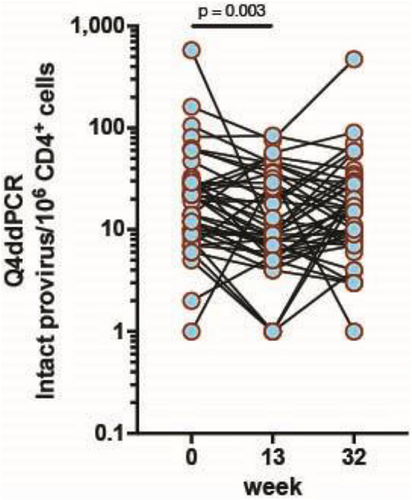 Enlarge figure
 Scheck et al. · AIDS 2026, OAA1502, Figure 1 · JIAS. Reproduced unchanged under CC BY 4.0.
The people behind the findings

Science across REACH
Different expertise.
Shared progress.
HIV latency, antibody design, and immune-cell biology: complementary approaches to the questions a cure must answer.
Why HIV falls silent
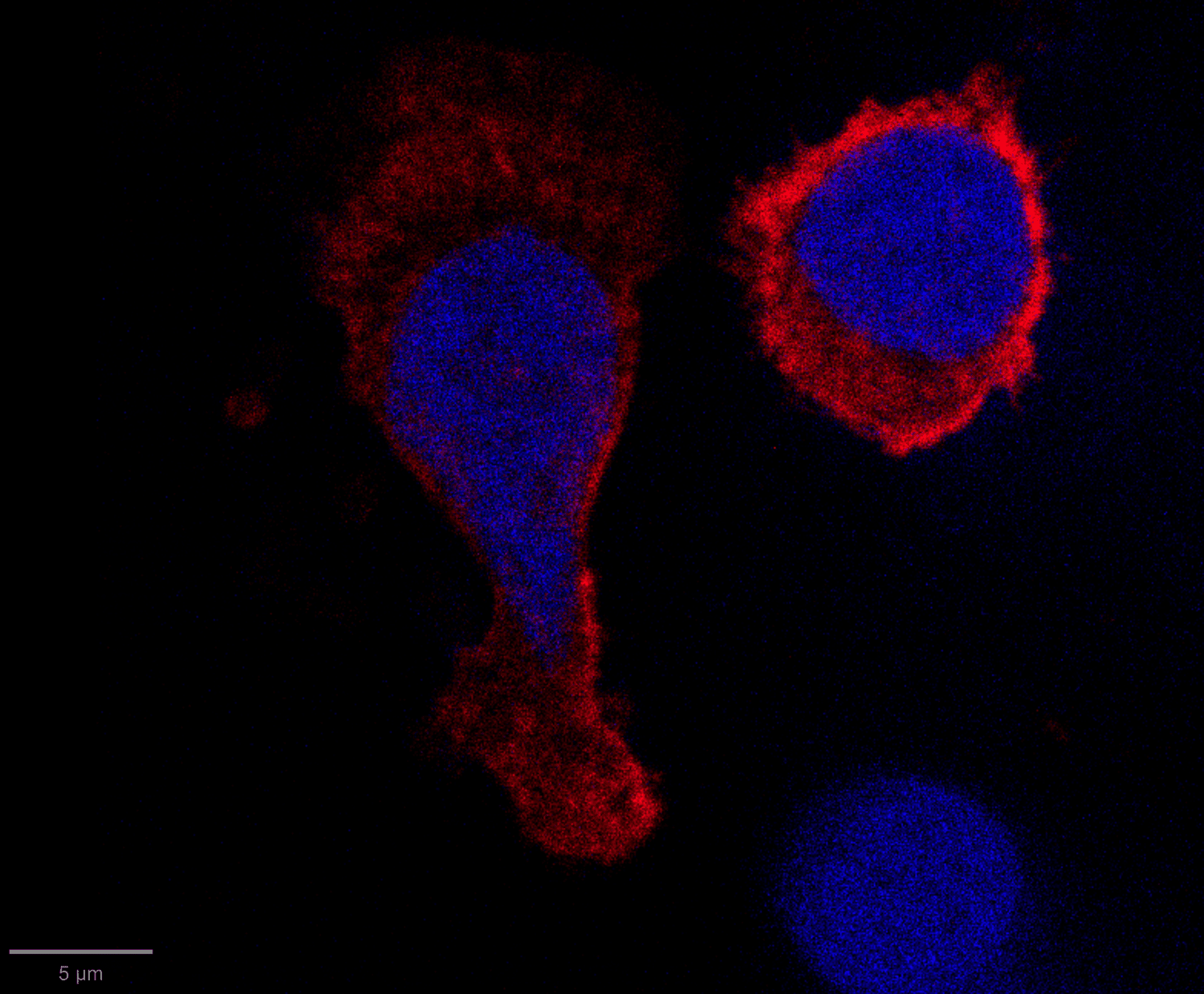
Paul Bieniasz, Frauke Mücksch, and colleagues investigate how HIV’s position within a cell’s DNA helps shape whether the virus stays active or falls silent.
Explore the study
Better antibody tools
Wei Li and colleagues combine computational design with laboratory testing to improve antibody-based research tools, including tools that recognize HIV.
Explore the study
Why infected cells survive
Foundational work by Kiera Clayton and colleagues showed how HIV-infected macrophages, a type of immune cell, can resist elimination by natural killer cells.
Explore the studyExplore our research
Four questions driving us forward.
HIV can survive treatment in a small pool of infected cells called the reservoir. These connected areas help us understand and overcome it.
Understand the reservoir
What allows HIV to persist in rare cells despite effective treatment?
Explore this research 02Help the immune system control HIV
How can immune cells and antibodies help contain HIV without daily medication?
Explore this research 03Help the immune system find infected cells
Why do some infected cells survive an immune attack?
Explore this research 04Understand how HIV stays silent
How does HIV’s place in a cell’s DNA shape its activity?
Explore this researchReservoir science · Nature, 2026
A rare window into
HIV’s last strongholds.
Authentic reservoir clones (ARCs) bring some of the hardest-to-study infected cells within reach. Derived from cells donated by people living with HIV, they help reveal why the reservoir survives and where it is vulnerable.
Work from the Jones and Nussenzweig laboratories is opening new questions about immune clearance.
Explore the reservoir discovery ↗nature
Research article · February 24, 2026
Dynamic antigen expression and cytotoxic T cell resistance in HIV reservoir clones
Ferreira, Herrera and colleagues
Jones & Nussenzweig laboratories
Research update · Nature Medicine · September 15, 2026
RIO follow-up offers clues to lasting HIV control.
With REACH collaborators Marina Caskey, Michel Nussenzweig, and the RIO team.
An analysis of the RIO trial links participants’ own antibodies with longer HIV control following long-acting antibody therapy. It also found a decline in the intact HIV reservoir—the pool of infected cells carrying complete viral genomes.
These secondary and exploratory findings come from men who began HIV treatment early. Further studies will test how broadly they apply. The paper acknowledges support from REACH award UM1AI164565.
Scientific exchange · September 20–23, 2026
REACH at EU2Cure in Ghent.
The EU2Cure HIV Symposium brought researchers together in Ghent, Belgium. Its public program featured REACH work spanning the A5386 clinical trial and authentic reservoir clones.
Rachel Scheck
Tracking A5386’s reservoir response
How laboratory measures of the HIV reservoir and participants’ own antibody responses can help interpret the changes seen in A5386.
Itzayana “Itzy” Miller
Connecting reservoir and T-cell changes
The program highlighted her work on reservoir reduction and the shift toward stem-like, less exhausted T cells following N-803.
Brad Jones
Learning from authentic reservoir clones
His invited talk explored what reservoir clones reveal about HIV protein expression and why some infected cells resist immune clearance.
Conference presentations are distinct from peer-reviewed journal articles. These summaries describe the publicly listed program topics.
Explore the official program
Science shaped by community
Progress starts
with listening.
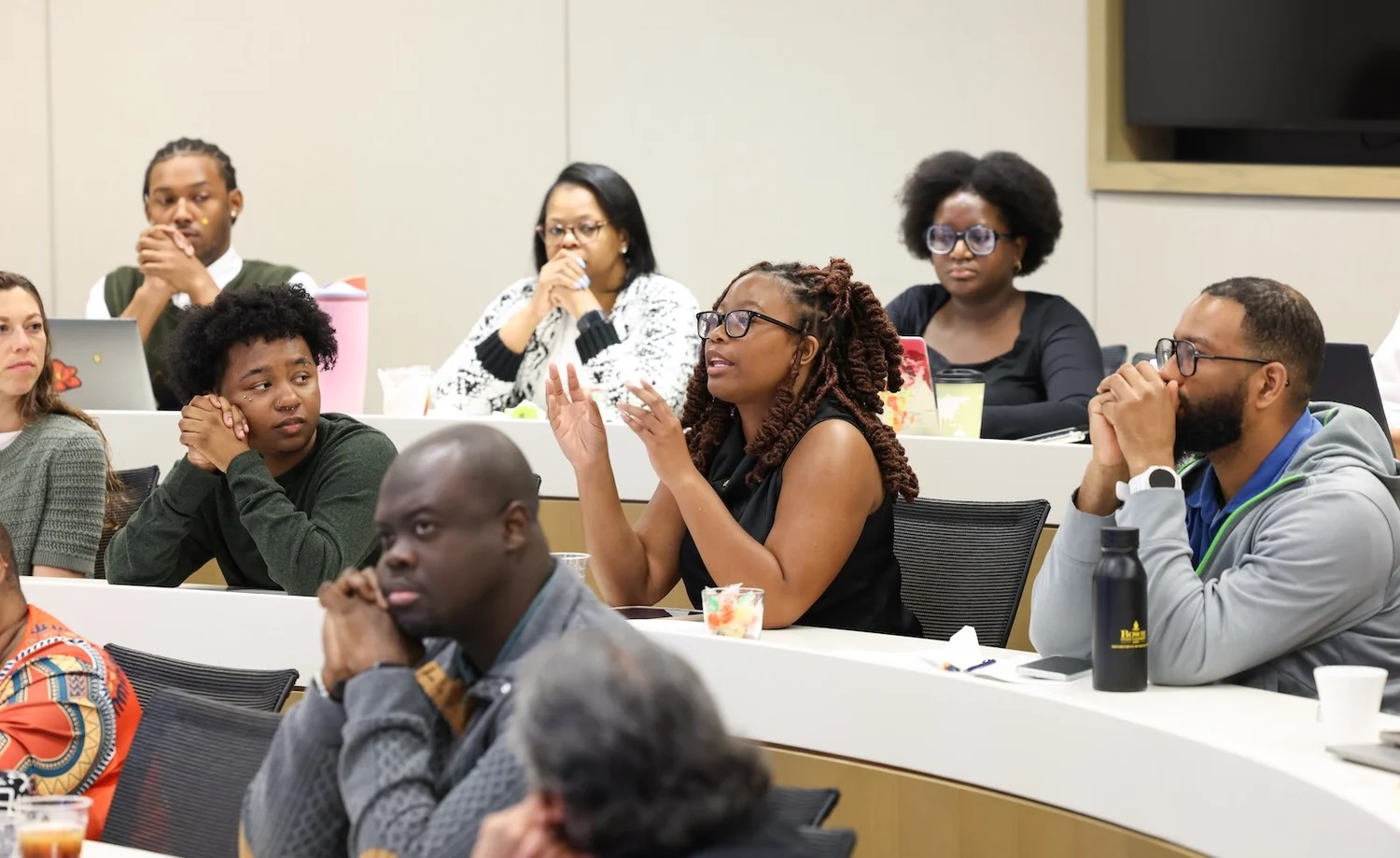
People living with HIV help shape the questions we ask. With AVAC and our community advisory board, REACH connects cure science with community insight.

A growing body of discovery
Publication records associated with REACH
Explore the science.
Follow the evidence.
Search the REACH publication library by topic, researcher, or year. Each record links to its source, with preprints and related versions clearly identified.
Browse all 101 records ↗A collaborative enterprise
One purpose.
A collective effort.
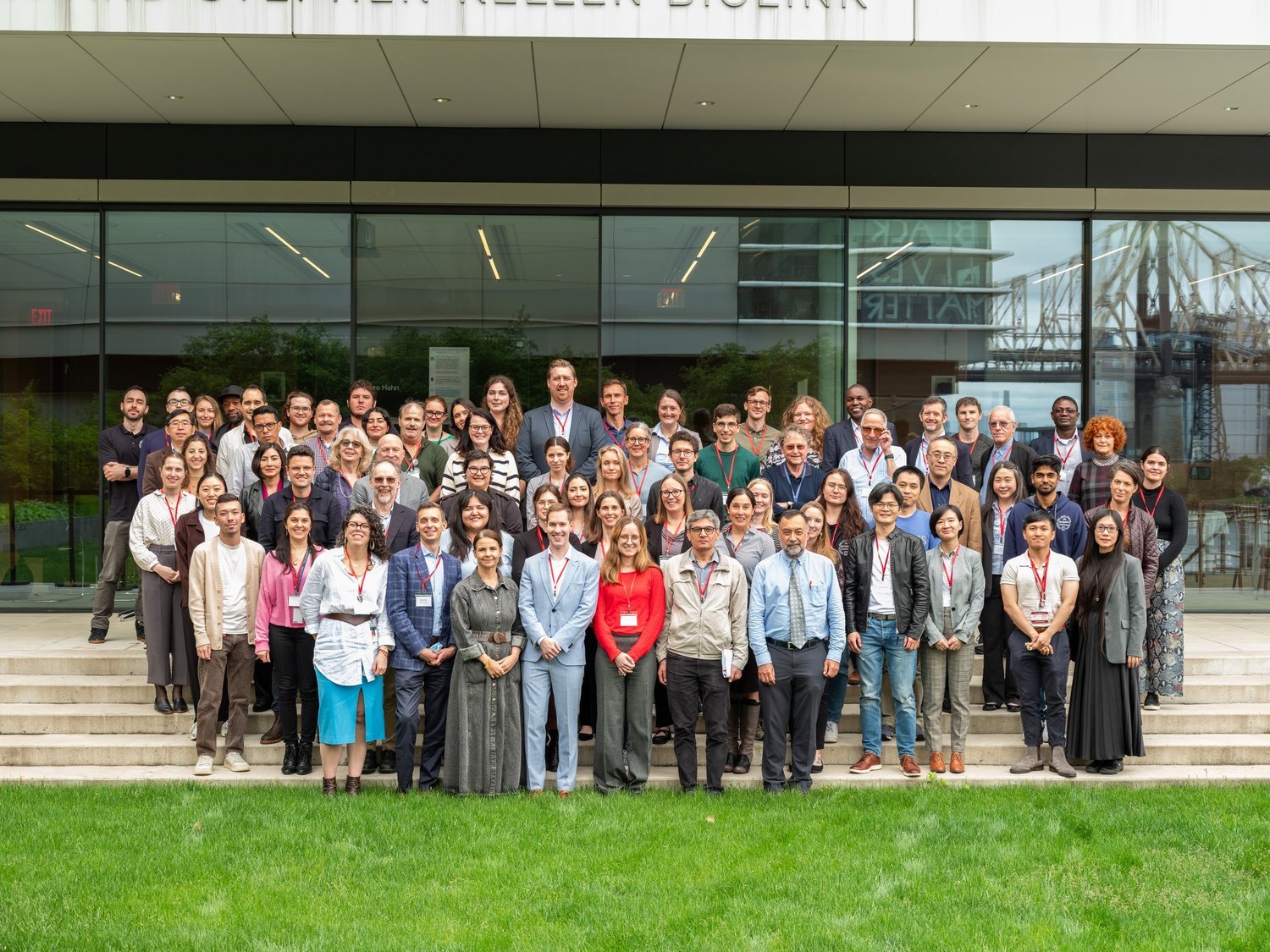
REACH connects laboratory scientists, clinicians, and community partners as part of the NIH Martin Delaney Collaboratories.
Our next phase, which began in August 2026, builds on the discoveries and clinical results that brought us here.
The REACH network
Many institutions.
One shared ambition.
Explore our domestic partner institutions and the people behind the work.
 Weill Cornell Medicine
 The Rockefeller University
 University of Pittsburgh
 UMass Chan Medical School
 Fred Hutch Cancer Center
 Yale University
 University of Louisville
 Washington University in St. Louis
 University of Pennsylvania
 George Washington University
 Johns Hopkins University
 Massachusetts General Hospital / Ragon Institute
 AVAC
AVAC ImmunityBio